
If you’ve ever stepped out of bed in the morning only to be met with a sharp, stabbing sensation in your heel or the bottom of your foot, you know the frustration of plantar fasciitis. It is one of the most common causes of foot pain, yet for many, it becomes a months-long (or even years-long) battle.
Let’s say you’ve tried the stretches, bought the expensive orthotics, and rested for weeks only to have the pain return. In this case, you aren’t alone.
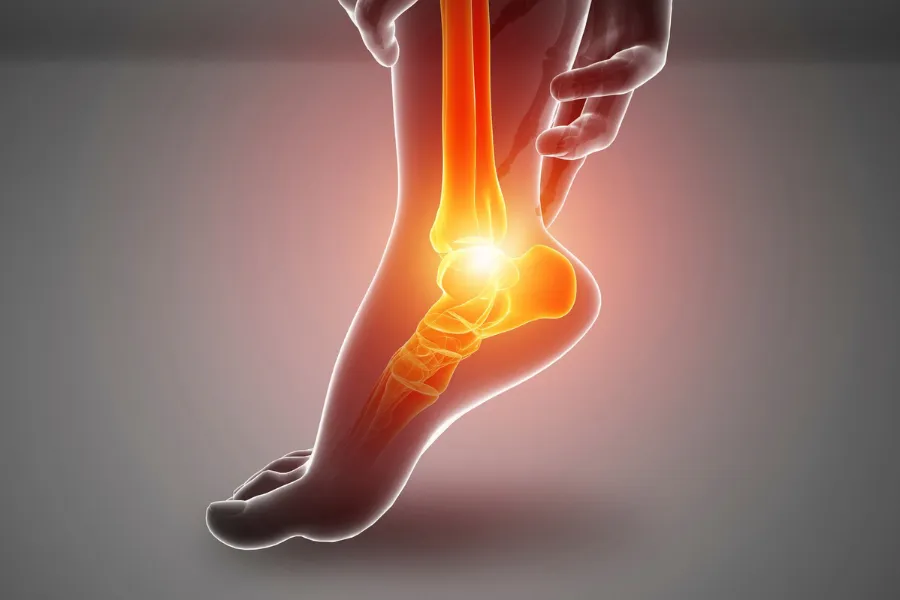
Why does this chronic heel pain persist? Learn more about plantar fasciitis and how JointGlow uses low-dose radiotherapy (LDRT) to provide a long-term solution.
What Is Plantar Fasciitis?
Plantar fasciitis is a common cause of heel pain that occurs when the plantar fascia becomes irritated or inflamed. The plantar fascia is a thick, web-like ligament that connects your heel bone to the front of your foot. It acts as a shock absorber and supports the arch of your foot, helping you walk, run, and stand.
Each step places tension on this tissue, especially during walking, running, or standing for long periods. When the plantar fascia is overstressed, microscopic damage can occur. Over time, this damage triggers inflammation that can become difficult for the body to resolve without targeted intervention.
Common signs of plantar fasciitis include:
- Heel pain with the first steps in the morning
- Discomfort after prolonged standing
- Soreness that worsens after activity rather than during it
When pain symptoms linger for more than six months, it often transitions from acute inflammation to a state of chronic degeneration.
Why Plantar Fasciitis Often Does Not Go Away
Plantar fasciitis symptoms often start subtly but progress over time. As the condition becomes chronic, pain may no longer fully resolve with rest. This pattern is often a signal that inflammation is driving symptoms rather than an acute injury.
While the body is usually good at self-repair, the foot is a difficult place to heal because we never truly stop using it. Many patients continue normal movement out of necessity, and this prevents their full recovery. Additionally, the plantar fascia has limited blood supply, which slows the healing process.
Even when imaging does not show severe structural damage, with chronic inflammation the tissue becomes thickened and less flexible. The body’s natural healing signals get stuck, leaving you in a cycle of constant discomfort, and conservative treatments become less and less effective.
Traditional Treatments for Plantar Fasciitis and Why They Often Fail
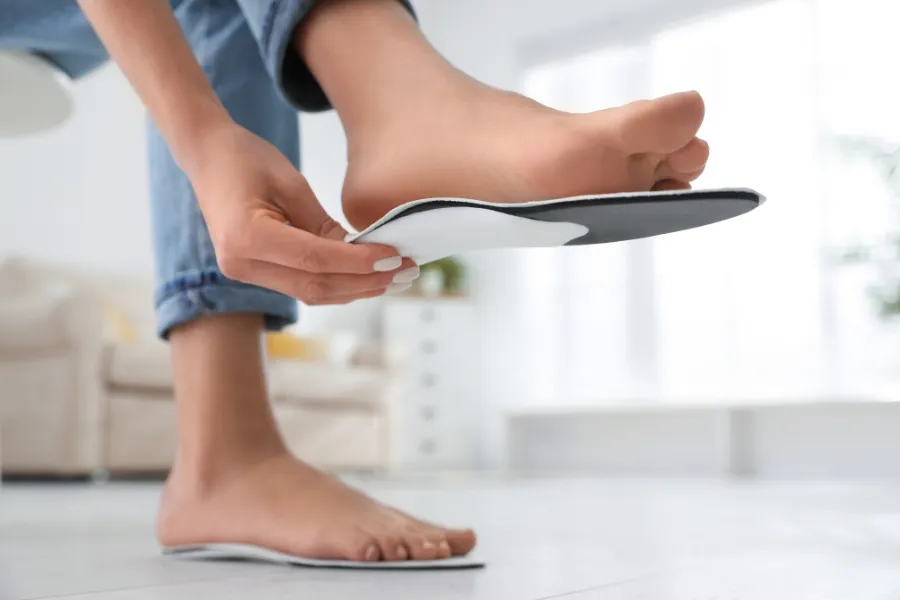
Conservative treatments for plantar fasciitis focus on reducing strain on the foot and easing discomfort. These approaches can be helpful early on but may not fully address persistent inflammation. This usually includes:
- Stretching. Aimed at loosening the calf and fascia.
- Orthotics or inserts. Supportive footwear designed to take pressure off the heel.
- NSAIDs (such as Ibuprofen). Medications used to mask the pain.
- Steroid injections. When over-the-counter options have stopped working.
For many patients, these treatments provide temporary relief but do not prevent recurrence once normal activity resumes.
Why? Because these methods address the mechanical stress but don’t always stop the biological cycle of inflammation. If the ligament is stuck in a state of chronic micro-tearing and injury, simply cushioning the foot won’t fix the underlying cellular dysfunction.
How JointGlow Targets Chronic Plantar Fasciitis at the Source
If you are frustrated with failed treatments and are considering surgery, there is a highly effective next step that many patients aren’t aware of.
At JointGlow, we specialize in low-dose radiotherapy (LDRT) for foot pain. Unlike high-dose radiation used in oncology, LDRT uses extremely low levels of energy specifically calibrated to:
- Stop the inflammatory cycle. LDRT has a profound anti-inflammatory effect on the cellular level, calming the overactive immune response in the fascia.
- Improve blood flow. It encourages localized circulation, which is essential for repairing ligament tissue.
- Reduce pain signaling. Most patients experience a significant reduction in pain, allowing them to return to stretching and strengthening exercises that were previously too painful to perform.
What to Expect From LDRT Treatment at JointGlow

Treatment sessions are brief and performed on an outpatient basis. Patients remain fully clothed and do not require anesthesia or recovery time. Improvement typically occurs gradually, with many patients noticing reduced pain and improved function in the weeks and months following treatment.
Results will continue to develop after treatment is completed as the inflammation continues to decrease.
Frequently Asked Questions
What is the primary function of the plantar fascia?
The plantar fascia is a thick, web-like ligament that connects your heel bone to the front of your foot. It acts as a shock absorber to provide essential support for the arch of your foot when you move.
Why do orthotics and stretching often fail to fix chronic pain?
While these methods address the mechanical stress (pressure and tightness), they often fail to stop the biological cycle of chronic inflammation. Once the tissue has become thickened or stuck in a state of injury, physical supports are often insufficient to restart the healing process.
What makes plantar fasciitis “linger” for so long?
Pain becomes chronic when the body’s natural healing signals get stuck. This leads to a cycle of chronic inflammation and tissue degeneration, where the ligament loses flexibility and becomes too sensitive to handle even normal daily activities.
How does JointGlow’s LDRT treatment differ from surgery?
Low-dose radiotherapy (LDRT) is a non-invasive, painless alternative to surgery. Instead of cutting into the tissue, it uses low-energy waves to calm overactive inflammatory cells and improve blood flow, treating the biological cause of the pain with no downtime or recovery period.
Take the Next Step: Choose JointGlow for Your Foot Pain
LDRT is a non-invasive, painless procedure. There are no needles, no downtime, and no recovery period. It bridges the gap between faulty orthotics and invasive surgery that requires weeks of off-loading. LDRT is the definitive plantar fasciitis treatment for those who are tired of temporary fixes. By targeting the biological cause of the pain rather than just the symptoms, we help you get back on your feet—literally.If plantar fasciitis has limited your mobility and other treatments have not worked, JointGlow offers solutions for your long-term relief. Schedule a consultation to learn if this approach is right for you.